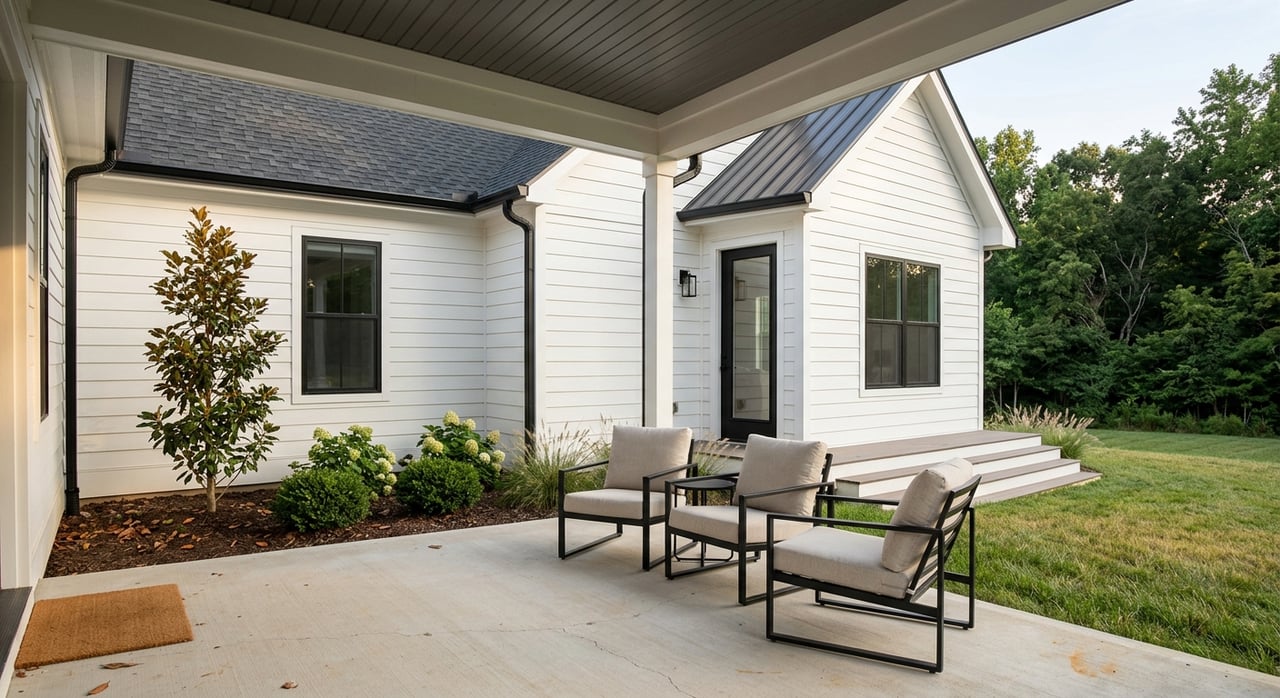
First-Time Homebuyer Roadmap For Lillington Residents
Rebekah Edens April 16, 2026
Rebekah Edens April 16, 2026
Buying your first home in Lillington can feel exciting and overwhelming at the same time. You may be wondering how much house you can afford, what the North Carolina contract process looks like, and whether this market gives you room to breathe. The good news is that with the right plan, you can move from browsing listings to closing day with a lot more confidence. Let’s dive in.
Lillington offers a blend of small-town living and regional convenience. The town sits along the Cape Fear River between Raleigh and Fayetteville, the estimated population is 4,600 residents. Lillington has a large residential development pipeline planned for the coming years, including more than 11,000 approved residential lots and over 1,000 final platted lots expected in 2025, according to the Town of Lillington overview.
That growth matters if you are buying your first home. More homes and more housing types can create more options, whether you want a townhome, a new-construction house, or a property with a little more land. It also means your search should stay flexible, because the right fit may come from a resale listing, a builder community, or a less traditional property type.
Before you tour homes, it helps to anchor your budget in local numbers. In Harnett County, the U.S. Census QuickFacts reported a median owner-occupied home value of $246,200, median monthly owner costs with a mortgage of $1,594, median gross rent of $1,112, and median household income of $71,287.
Those figures do not tell you exactly what you should spend, but they do give you a baseline. If your rent is close to local ownership costs, buying may be more realistic than you think once you factor in loan options and down payment assistance. At the same time, homeownership includes costs renters do not always pay directly, such as repairs, taxes, insurance, and possibly HOA fees.
Property taxes and utilities should be part of your early math. Inside Lillington town limits, the 2025 combined county and town tax rate is 1.111 per $100 before any special district levies, which comes to about $3,333 per year on a $300,000 assessed home, based on the 2025 Harnett County tax rates. The town also notes that water and sewer service is available to some, but not all, addresses, and owner-occupied utility accounts may require a refundable deposit.
One of the smartest first steps is getting pre-approved before you fall in love with a home. Pre-approval helps you understand your price range, estimated payment, and financing options before you start writing offers.
This is especially important in a market like Lillington, where conditions can vary from one property to the next. Redfin’s Lillington housing market data describes the market as somewhat competitive, with some homes receiving multiple offers, average homes selling for about 1% below list price, and average pending times around 126 days. That tells you not every listing will move at the same speed, but prepared buyers still have an advantage.
If saving for a down payment has been the biggest hurdle, North Carolina has programs worth exploring. The NC Home Advantage Mortgage offers eligible borrowers fixed-rate mortgages and down payment assistance of up to 3% of the loan amount.
For eligible first-time buyers and military veterans, the NC 1st Home Advantage eligibility information also points to $15,000 in down payment help. Program rules include buying in North Carolina, using the home as your principal residence within 60 days, meeting income limits, and having a credit score of 640 or higher.
That same NCHFA guidance says first-time buyers are generally defined as people who have not owned a primary residence in the past three years. It also notes that pre-purchase education is required for first-time buyers, so education is not an extra step to do later. It should be part of your early plan.
Your monthly payment is about more than principal and interest. It can also include taxes, homeowners insurance, mortgage insurance, HOA dues, and utility costs. The North Carolina Bar Association buyer pamphlet specifically advises buyers to think through taxes, assessments, closing fees, and any HOA dues or capital assessments before signing.
Mortgage rates also affect affordability. Freddie Mac reported an average 30-year fixed mortgage rate of 6.37% and a 15-year fixed rate of 5.74% on April 9, 2026, according to its mortgage rate overview. Even a small rate difference can change your buying power, which is one more reason to compare loan options carefully.
A simple first-time buyer budget should include:
Many first-time buyers picture one type of home and miss other good options. In Lillington, the local mix appears broader than many buyers expect.
The research shows entry points that may fit different budgets and goals. Local examples include Buies Creek Townhomes advertising homes from $199.9K, Gregory Village Townhomes from $265.9K, and Seagrass Landing with single-family plans from $301,900, according to this local housing example source.
The search landscape may also include manufactured homes, land, and acreage. That matters if you want more space, a semi-rural setting, or the chance to compare new construction with resale homes. A flexible search strategy can help you avoid getting boxed into one category too early.
North Carolina real estate contracts work a little differently than contracts in many other states. One of the biggest things first-time buyers need to understand is the due diligence fee.
According to the North Carolina Real Estate Commission, the due diligence fee is negotiated, not required by law, and paid directly to the seller by the effective date of the contract. During the due diligence period, you have time to inspect the property, negotiate repairs, arrange appraisal and title work, and decide whether to move forward.
This period is your main risk-management window. If you terminate during due diligence by written notice, you can generally do so for any reason or no reason. The practical takeaway is simple: treat the due diligence fee as money you may not get back if you walk away.
Because the due diligence period is so important, you want a clear checklist the moment your offer is accepted. This is the time to investigate anything that could be expensive, hard to repair, or difficult to undo later.
The NC Bar pamphlet recommends checking for issues such as termites, water damage, radon, asbestos, lead-based paint, underground storage tanks, and other environmental concerns. It is also the time to handle lender-required appraisal and underwriting items, survey work, and title review.
Your due diligence checklist may include:
Earnest money is separate from the due diligence fee. The NC Bar Association pamphlet explains that earnest money is held in escrow until both parties sign a release or a court orders disbursement.
The same legal guidance also explains that North Carolina closings are attorney-driven. A licensed North Carolina attorney supervises the key parts of a residential closing, provides the title opinion, helps ensure the deed is properly executed and recorded, and oversees disbursement when lender and recording requirements are met.
That structure can actually be reassuring for first-time buyers. It gives you a defined legal closing process, and it makes it even more important to stay organized and ask questions early.
One of the biggest mistakes first-time buyers make is assuming every home will trigger a bidding war. In Lillington, the data suggests a more nuanced picture.
Redfin describes a somewhat competitive market, while other snapshots have shown homes selling around asking price in ZIP code 27546. The takeaway is that you should be prepared to move when the right home appears, but you do not need to assume every listing requires panic or overpaying. Preparation beats pressure.
If you want to keep the process clear, use this order:
Your first home does not have to be perfect to be the right next step. In Lillington, you may find opportunities across townhomes, single-family homes, new construction, manufactured homes, and properties with more land, all within a market that rewards preparation more than guesswork.
If you want guidance from a local agent who can help you compare options, explain North Carolina’s contract process, and keep your timeline on track, connect with Rebekah Edens. You will get responsive, local support designed to help you buy with clarity and confidence.

Let Rebekah Edens guide you through buying, selling or renting a home in North Carolina. View active listings, research past transactions, and schedule showings with me.