Hope Mills vs Fayetteville Real Estate: Housing Market Comparison
Rebekah Edens March 5, 2026
Rebekah Edens March 5, 2026
Trying to choose between Hope Mills and Fayetteville for your next move? You are not alone. Buyers often weigh price, pace, commute, and lifestyle when comparing these two Cumberland County markets. In this guide, you will see how the numbers and day-to-day living stack up so you can decide which location fits your needs. Let’s dive in.
Recent snapshots show both markets are affordable compared to larger North Carolina metros, with Hope Mills often pricing a touch higher than Fayetteville depending on the data source and month. To keep it clear, here is how major vendors summarized late 2025 to early 2026.
Both markets offer solid choices for first-time and move-up buyers, but the mix looks a bit different on the ground.
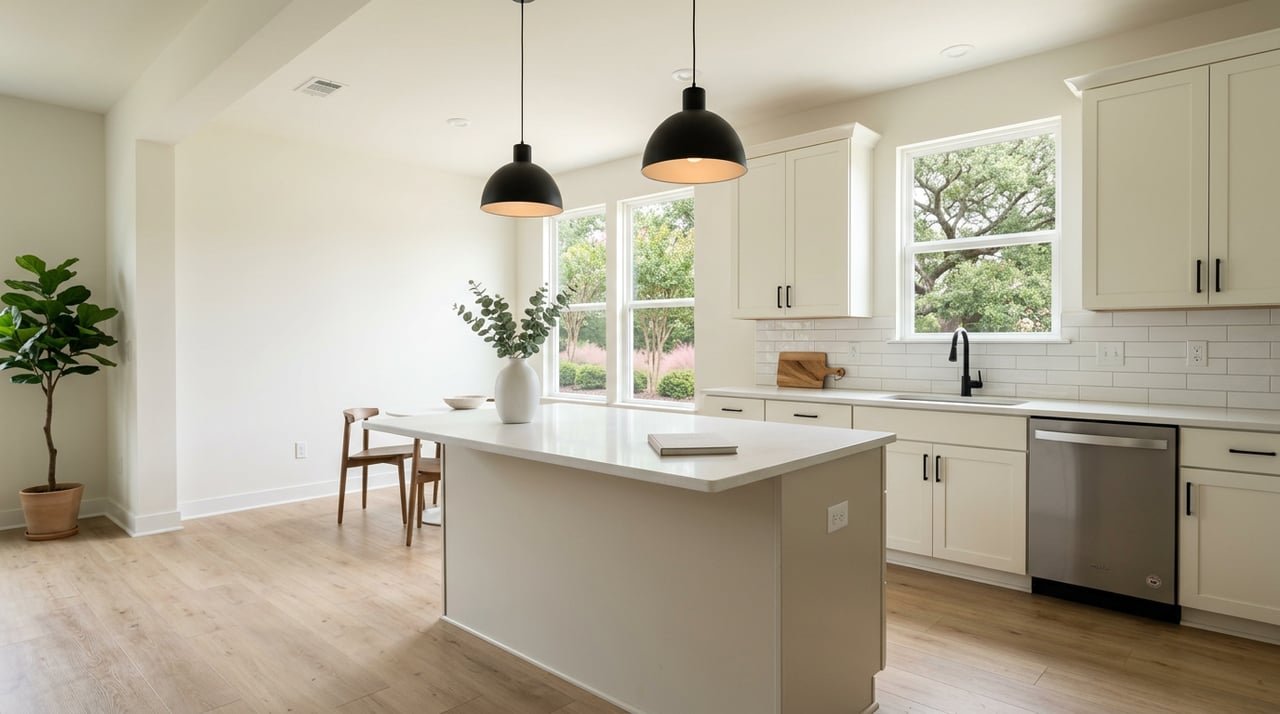
Hope Mills offers mostly single-family homes with 3 bedrooms and 2 bathrooms, usable yards, privacy fencing, and ranch or modest two-story layouts. Newer tract-built subdivisions and infill opportunities show up regularly. The feel is suburban, with a community-focused rhythm and town events.
Fayetteville offers older single-family homes near the core, townhomes and multifamily options, and suburban subdivisions on the edges. Downtown pockets include smaller-lot homes and condo-style choices at price points that can come in under the citywide median depending on the block.
One of the clearest data-backed differences is commute time. Census-based profiles show Hope Mills residents tend to spend more time getting to work than residents inside Fayetteville.
Fort Bragg proximity impacts local housing decisions. Typical driving estimates place Hope Mills roughly 14 to 15 miles from commonly used gates (about 20 to 25 minutes depending on route and traffic), while central Fayetteville can be about 10 to 11 miles (roughly 15 to 20 minutes). For context, see example routing estimate for Hope Mills to Fort Bragg and Fayetteville to Fort Bragg. Your exact neighborhood and gate matter, so verify drive times during your typical commute window.
Both areas tie into I-95 and regional corridors, but daily errands in Hope Mills are usually car-dependent. If you want fixed-route bus options and shorter in-city trips, Fayetteville provides easier access to the Fayetteville Area System of Transit.
Your day-to-day experience can feel different across these two markets. Think about the kind of pace and amenities you want close to home.
Hope Mills leans into small-town events, parks, and the lake area. To explore community programming and green spaces, browse the Town of Hope Mills site. Fayetteville offers larger city amenities, museums, cultural venues, and downtown redevelopment. City projects and services are updated on Fayetteville’s official site.
Most neighborhoods in both places are served by Cumberland County Schools. You can review programs, enrollment, and district details directly with Cumberland County Schools. Verify school districts and programs offered as you compare neighborhoods.
The Cumberland County FY2026 budget sets the county ad valorem rate at 49.9 cents per $100 of assessed value. Municipal and fire district rates, where applicable, stack on top of the county portion. You can confirm current rates in the county’s budget ordinance. When you budget your monthly costs, include homeowners insurance, HOA dues if any, and utilities.
Crime data varies by source and by neighborhood. Instead of relying on a single index, review local police reports, talk with neighbors, and visit at different times of day. If safety is a priority, add block-level research to your showing plan so you can make an informed decision.
Use this quick shorthand as you think through lifestyle and priorities.
A simple plan can bring your decision into focus.
Clarify your commute. Map your destination and test the drive from both markets during your typical hours. Use the distances above as a baseline, then ground-truth it.
Set a price band, not a single number. Work with recent MLS data and keep your search within a range that matches neighborhood and condition.
Compare “must-have” features by neighborhood. Yard size, HOA vs no HOA, floor plan type, and age of home can be large variables between Hope Mills and Fayetteville.
Walk the lifestyle. Visit parks, grocery stores, and your daily routes in both places. Check community calendars for events in Hope Mills and downtown happenings in Fayetteville.
Time the market, but do not chase it. Pace and pricing shift month to month. Your goal is to secure a home that fits your life and budget, then negotiate well based on current data.
If you are military-connected, remember that base operations, training schedules, and PCS cycles can affect both rental demand and for-sale activity. For broader context on the installation’s role in the region, you can read Department of Defense updates like this Defense.gov article on the base renaming.
Ready for a side-by-side, neighborhood-level comparison and tailored list of homes in your price range? Reach out to schedule a planning call with Rebekah Edens for clear guidance, on-the-ground insight, and a smooth path to your next home.

Let Rebekah Edens guide you through buying, selling or renting a home in North Carolina. View active listings, research past transactions, and schedule showings with me.