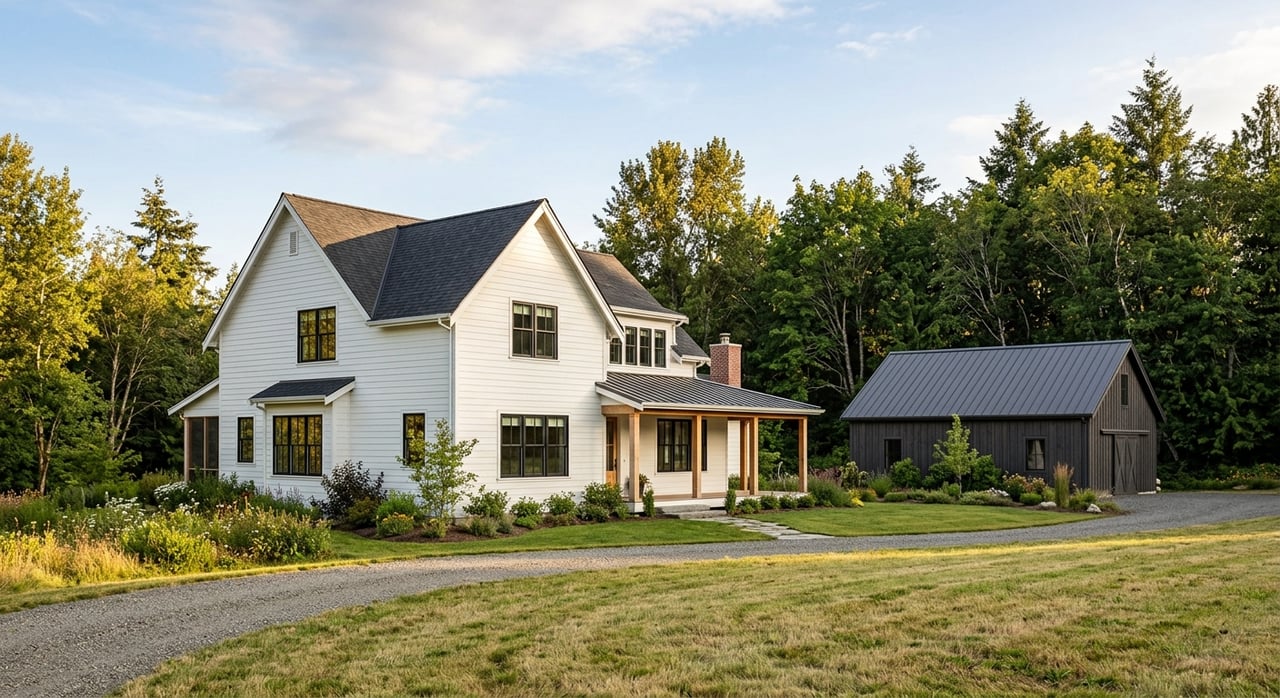
Guide to Selling a Home With Acreage Near Lillington
April 23, 2026
April 23, 2026
Selling a home with land near Lillington can feel simple at first glance, but acreage sales often come with more moving parts than a typical residential listing. If you want to attract serious buyers, avoid surprises, and protect your bottom line, you need more than great photos and a sign in the yard. You need a clear plan for the house, the land, and the records behind both. Let’s dive in.
When you sell a property with land, buyers are not only looking at the home itself. They are also asking what the land can be used for, what restrictions may apply, and what future costs they might take on. Around Lillington, those answers often depend on zoning, floodplain exposure, utilities, and septic or well details.
According to the Town of Lillington Planning and Inspections Department, local oversight includes zoning, subdivision, erosion control, watershed, floodplain, and stormwater rules. The town’s planning resources also include zoning maps, overlay districts, and floodplain mapping, which means buyers may look closely at how a parcel fits current rules before making an offer.
That matters even more because a property with acreage is rarely valued by square footage alone. A few extra acres can be helpful, but their actual value depends on how usable they are and what a future owner can realistically do with them.
One of the biggest mistakes sellers make is assuming buyers will “figure out” the land on their own. In reality, acreage buyers want clarity early. They want to know where the boundaries are, how the property is accessed, whether the land is buildable or restricted, and whether utilities are available.
Lillington’s planning materials explain that permitted use depends on the zoning district, and allowed uses still require the proper permits and certifications. The same planning resources note that dimensional standards vary by district, so the details of your parcel can directly shape buyer interest and pricing.
If your property sits near town limits or on the edge of future growth areas, that can also affect how buyers view it. The town notes it is updating its comprehensive land use plan, which may influence how some buyers think about growth and infrastructure over time. That does not guarantee a future outcome, but it does make planning information more important during the sale.
A smooth acreage sale usually starts long before the home hits the market. The more complete your file is up front, the easier it is to answer buyer questions and reduce delays during due diligence.
Useful records often include:
The Harnett County GIS page can help with parcel lookup, but the county makes clear that GIS viewer images are for reference only and are not legal documents. For official recorded records, public access is available through the Register of Deeds portal referenced on the county GIS resources.
If you do not have a current survey, it may be worth getting one before you list. The Town of Lillington notes that it does not provide surveying services, so a private surveyor is the right source if you need updated boundary information. This can be especially helpful if fences, driveways, barns, or other features sit near a property line or easement.
For many homes with land, utility questions come up quickly. Some properties have access to town water and sewer, while others rely on private systems. Buyers and lenders often want clear answers here, and uncertainty can slow a transaction.
The Town of Lillington states that water and sewer service is available to some, but not all, households and businesses, so service should be verified by address through the town’s water and sewer information page. If your home uses a septic system or private well, those records can be just as important as the home’s square footage.
Harnett County Central Permitting handles septic tank and well permits, and the county’s new home and permitting information outlines requirements tied to septic, wells, and lot divisions. If a buyer is considering future changes to the property, such as a boundary adjustment or subdivision, soils work and professional plat preparation may become part of that conversation.
Land near creeks, low-lying areas, or the Cape Fear River can be appealing, but buyers still need a realistic picture of risk and use. That is why floodplain information should be reviewed early instead of waiting for a buyer to discover it during due diligence.
The Town of Lillington’s planning resources include a floodplains map identifying the floodway, 100-year floodplain, and 500-year floodplain. If part of your property falls within a flood-related area, that does not automatically make it unsellable. It does mean your pricing, marketing, and disclosure strategy should reflect the property accurately.
Access is another issue buyers tend to study closely. If there are easements, shared driveways, or limited road frontage, it helps to explain those details clearly from the start. The goal is not to make the property sound complicated. The goal is to make it understandable.
If your land is part of North Carolina’s present-use value program, do not wait until contract negotiations to bring it up. This tax classification can affect ownership costs, and buyers may ask whether the land will remain eligible after transfer.
The North Carolina Department of Revenue present-use value guide explains that qualifying agricultural, horticultural, and forest land may be taxed based on current use rather than market value. It also explains that deferred taxes may be triggered if the land loses eligibility.
For sellers, this is one of the most important acreage details to check early. A buyer who understands the tax picture is more likely to move forward with confidence, and you are less likely to face last-minute confusion at closing.
Acreage properties often include more than a house and backyard. You may have barns, detached garages, workshops, sheds, fencing, drainage features, or private systems that deserve careful attention before listing.
The North Carolina Real Estate Commission explains in its guidance on the revised Residential Property and Owners’ Association Disclosure Statement that most residential sellers must provide the RPOADS before any offer to purchase. The revised form includes more detailed flooding questions, and a separate Mineral and Oil and Gas Rights disclosure is also required in the residential sale process.
NCREC also notes that the disclosure applies to dwellings, not detached outbuildings. That means known issues involving barns, sheds, drainage, encroachments, or other non-dwelling improvements still need thoughtful handling. If you know about a material hidden problem, withholding it can create liability.
With acreage, presentation is not just about making the home look nice. It is about making the land easy to understand. Buyers should be able to see how the property lays out, where the useful space is, and what features set it apart.
A practical prep plan may include:
The 2025 NAR home staging report coverage found that many agents saw stronger offer values and reduced time on market when homes were staged, and buyers’ agents rated photos, videos, and virtual tours as highly important. For homes with land, that supports a simple idea: when the property is easier to understand visually, buyers respond better.
A strong acreage listing should tell the full property story. That usually means going beyond standard interior photos and including the features that shape value and usability.
Depending on the property, that may include:
This kind of marketing helps buyers connect the home to the land. It also helps reduce confusion, especially when a parcel has a mix of open and restricted areas, easements, or topography that is not obvious from the road.
Broad market numbers can help frame the conversation, but they do not price acreage by themselves. The research behind this topic shows early 2026 median sale pricing in the mid-$300,000s for Lillington and around $330,000 for Harnett County overall, with homes often selling close to asking. That gives you context, but not a complete answer for a property with land.
Acreage pricing depends on more than bedroom count and recent neighborhood sales. Usable acres, road frontage, zoning, floodplain impact, utility access, septic and well conditions, and tax status can all influence value.
That is why two homes that look similar online can sell very differently in person. If one has cleaner records, more flexible use, and fewer infrastructure concerns, buyers may see it as the more valuable property even if the homes themselves are nearly identical.
Serious buyers for homes with land usually ask sharper questions than buyers shopping a standard subdivision home. That is normal, and it can actually work in your favor if you are prepared.
Common buyer questions may focus on:
When those answers are ready early, negotiations tend to feel more straightforward. Buyers can compare your property to other rural or semi-rural options with less guesswork, and that often leads to a stronger overall sale process.
Selling a home with land near Lillington is about more than listing acreage on a flyer. Buyers want to know what the land can do, what it cannot do, and what it will take to own and maintain it. When you prepare the records, present the property well, and price it with the full land story in mind, you create trust and reduce friction from listing to closing.
If you are thinking about selling a home with acreage near Lillington, working with a local agent who understands zoning, land-use questions, and buyer expectations can make the process far less stressful. When you are ready for a tailored pricing strategy and a clear plan to bring your property to market, connect with Rebekah Edens.

Let Rebekah Edens guide you through buying, selling or renting a home in North Carolina. View active listings, research past transactions, and schedule showings with me.