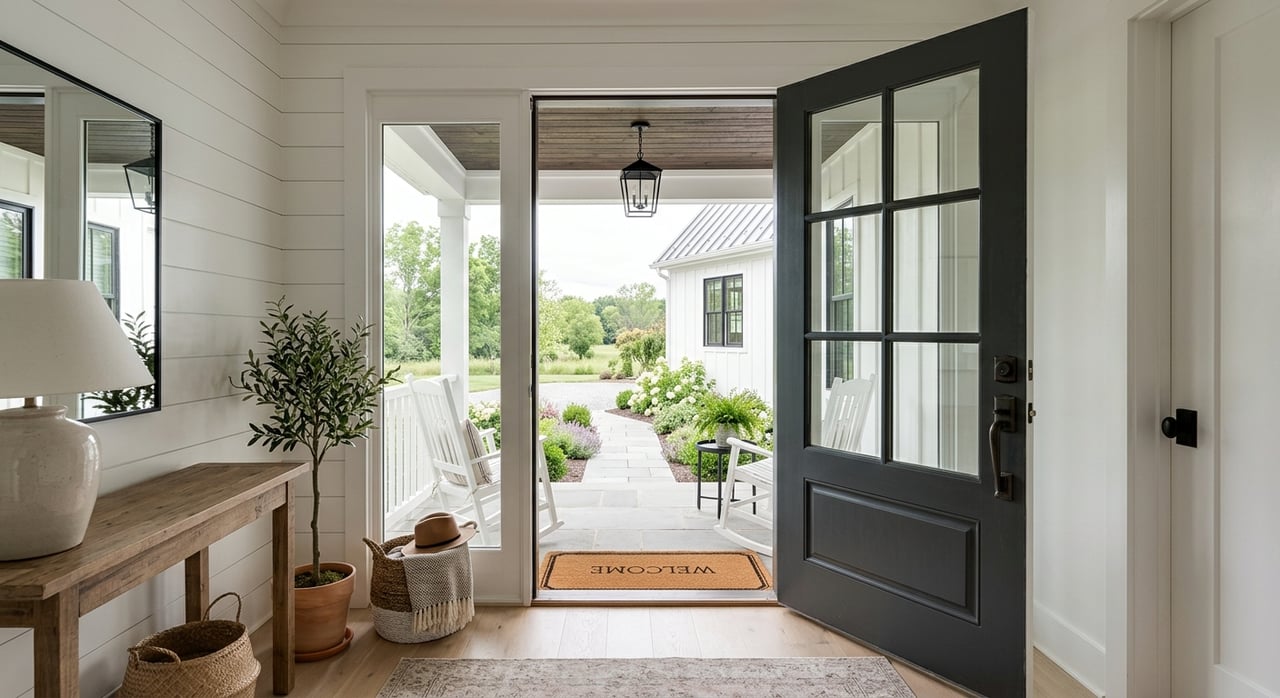
Selling a Home in Benson NC With a Confident Prep Plan
May 28, 2026
May 28, 2026
Selling your home can feel overwhelming, especially when you are trying to decide what actually matters before you list. In a market like Benson, where buyers are comparing homes carefully and online first impressions carry a lot of weight, the right prep can make a real difference. If you want a clear plan that helps your home show well, attract serious buyers, and support a confident listing strategy, you are in the right place. Let’s dive in.
Before you paint a wall or rent a storage unit, it helps to understand the market your home is entering. Benson sits in southwest Johnston County at the crossroads of I-40 and I-95, with access to the Research Triangle and Fayetteville. That means your home may appeal to more than just local buyers, including commuters and regional movers looking across a wider area.
Recent market data also shows why smart preparation matters. Redfin reported that in March 2026, the median sale price in Benson was $272,500, homes spent a median of 74 days on market, and the sale-to-list ratio was 94.9%. Redfin also noted that the average Benson home sold for about 2% below list price, while Realtor.com reported 231 active listings and a year-over-year rise in days on market, so buyers have options and pricing needs to be grounded in recent closed sales.
If you are wondering where to begin, the strongest evidence points to a few basics. The National Association of Realtors reported in 2025 that the most common seller recommendations were decluttering, whole-home cleaning, and improving curb appeal. The same survey found that 83% of agents said staging helps buyers picture a property as their future home, while 49% said staging helped homes sell faster.
That is good news for sellers because these steps are usually practical and manageable. You do not need to begin with a full renovation plan. You need a home that feels clean, open, well cared for, and easy for buyers to imagine themselves living in.
Decluttering is often the first and most important step. Extra furniture, crowded shelves, packed countertops, and overfilled closets can make a home feel smaller than it is. Realtor.com also notes that decluttering can take about a week per room, so this is worth starting early.
As you go, focus on creating more visible floor space and cleaner sightlines. Pack away items you do not use daily, remove oversized furniture where needed, and simplify storage areas so buyers can see the space instead of the stuff. This also makes your eventual move easier.
A clean home sends a simple message to buyers: this property has been cared for. NAR ranks whole-home cleaning just behind decluttering as a top seller recommendation. Even small things like dusty baseboards, smudged glass, dingy grout, or pet odors can affect a buyer’s impression.
Aim for a deep clean, not just a quick tidy. Kitchens, bathrooms, floors, windows, light fixtures, and high-touch surfaces should all feel fresh. If cleaning feels like too much to manage on your own, this is one of the most worthwhile places to get help.
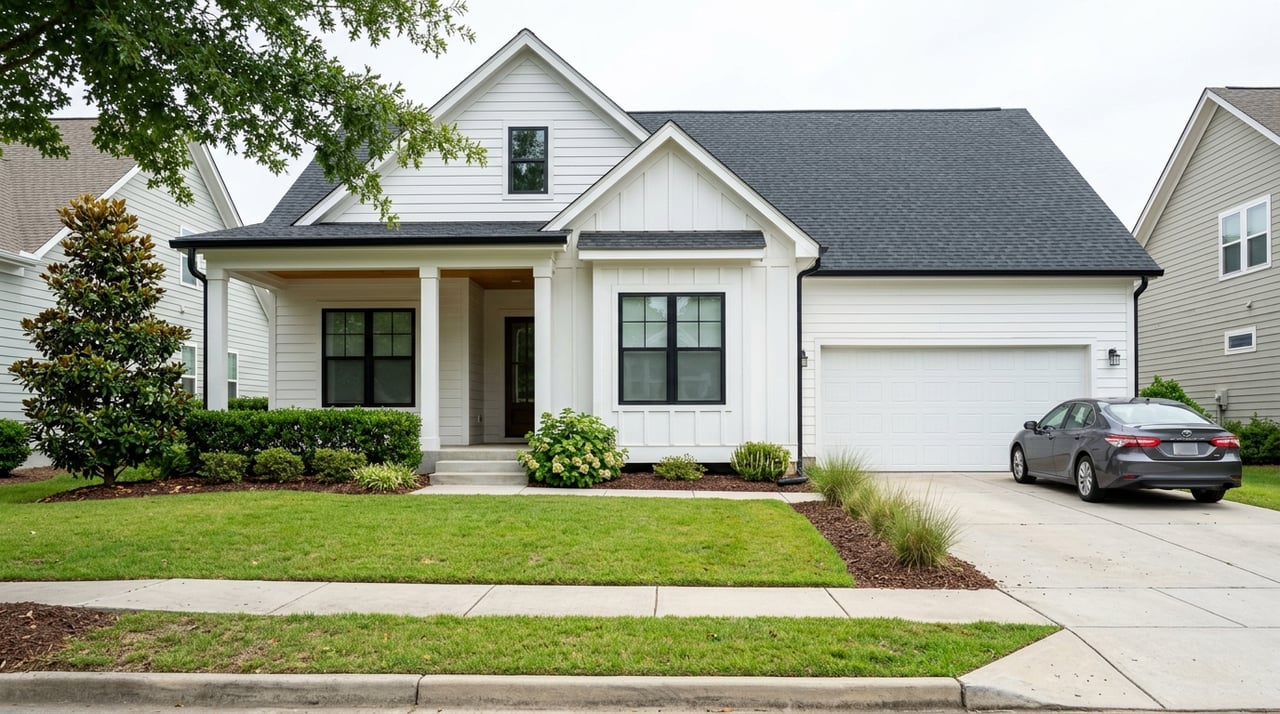
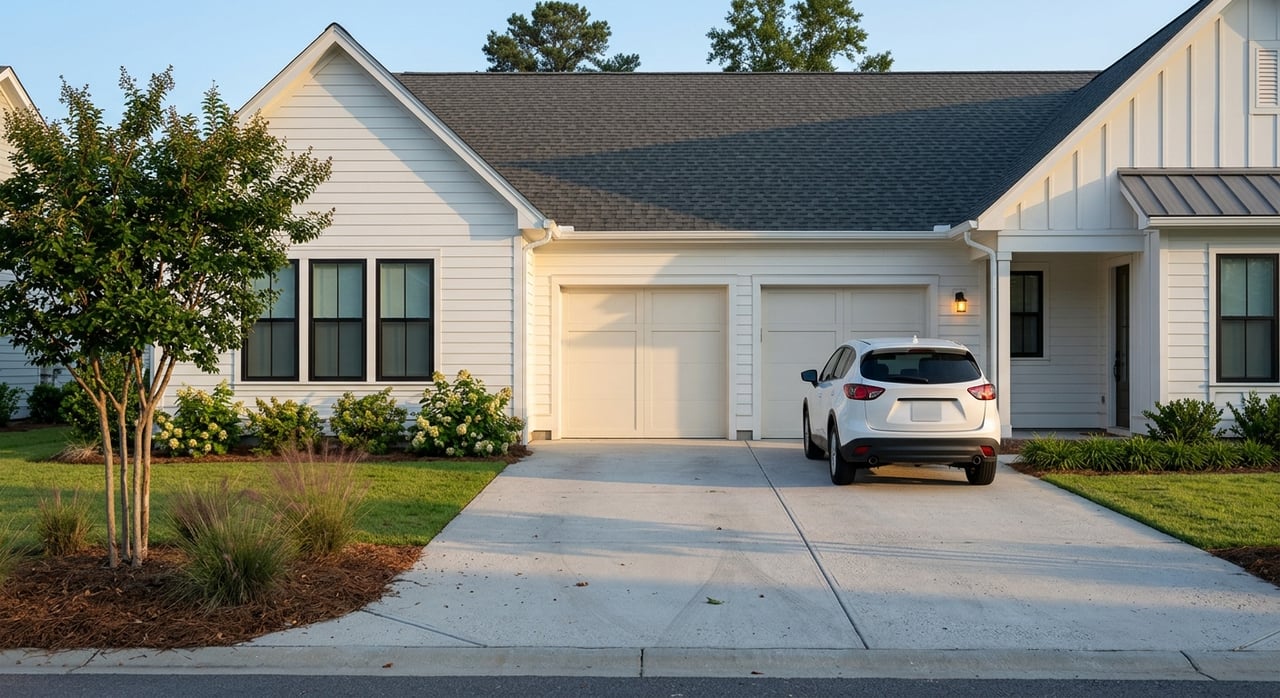
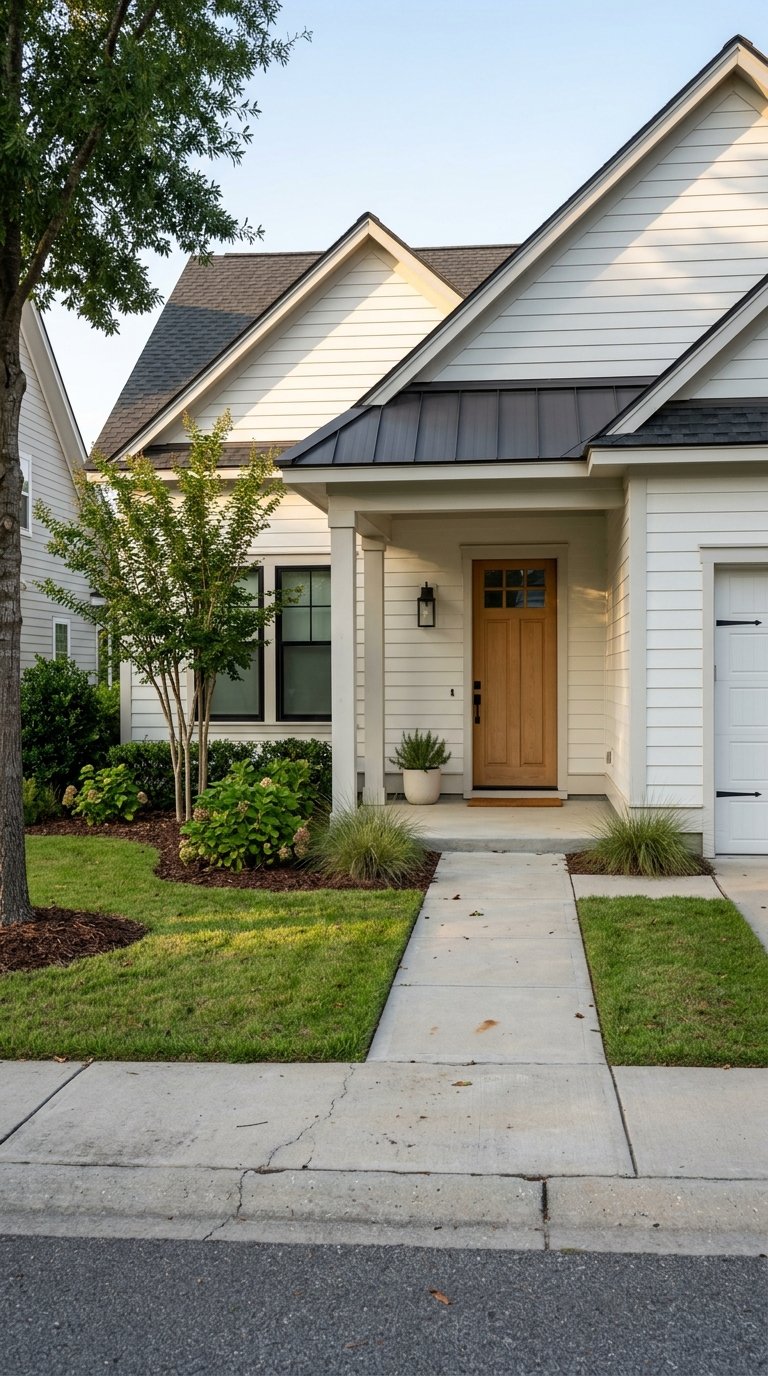
Your home starts showing before anyone opens the front door. NAR says 77% of agents recommend curb appeal improvements, and its outdoor features report found curb appeal matters to 97% to 98% of REALTORS. In other words, exterior presentation is not optional.
The good news is that practical touch-ups often go further than expensive landscaping. Mow the lawn, trim hedges, sweep porches and walkways, and freshen the entry. Realtor.com also recommends moving cars out of the driveway, putting away garbage bins, and clearing exterior equipment or toys before photos and showings.
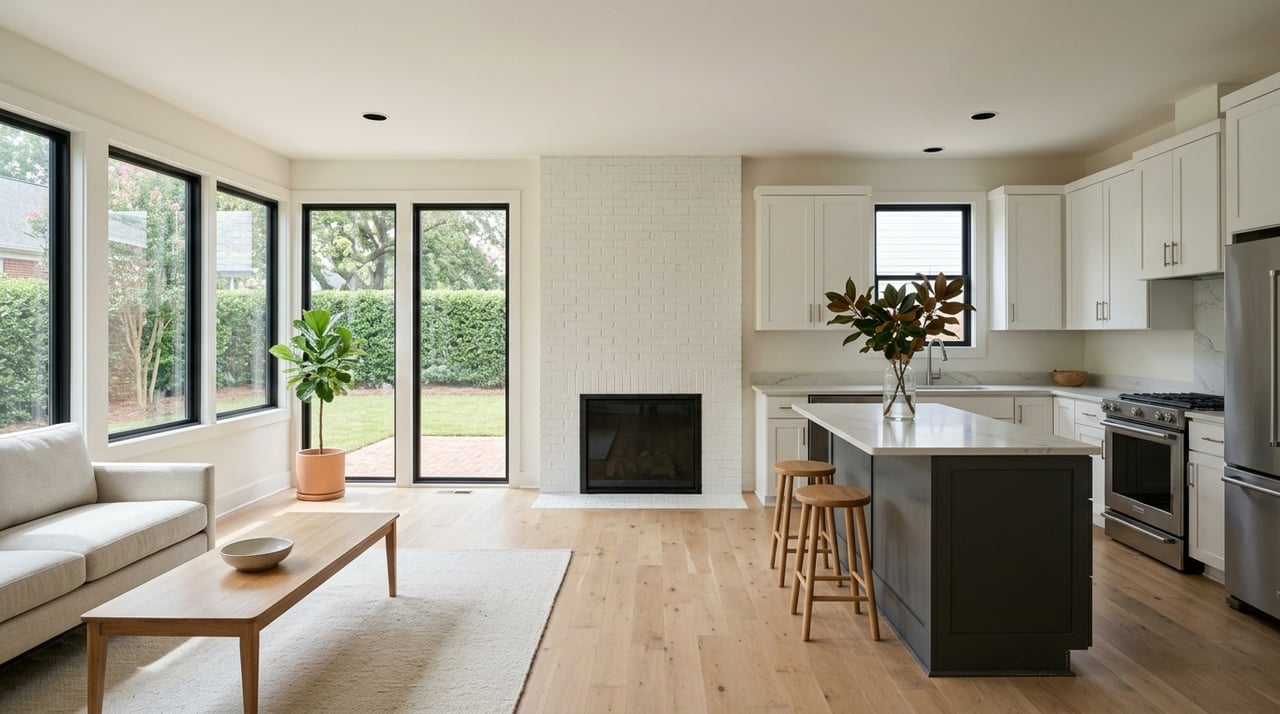
Not every space needs the same level of effort. According to NAR, the living room, primary bedroom, dining room, and kitchen are the rooms buyers and sellers tend to prioritize most when staging. If your time or budget is limited, start there.
In the living room, reduce extra furniture and create a layout that feels open and easy to navigate. In the primary bedroom, keep bedding simple and surfaces clear. In the dining room and kitchen, aim for brightness, clean counters, and a polished but lived-in feel.
If your kitchen is dated, that does not always mean you should remodel it. NAR has reported that minor kitchen upgrades recover far more reliably than major overhauls, and cosmetic changes are often the better path before listing. Paint, updated lighting, fresh hardware, and a pricing strategy that reflects the condition can all be smarter than a full renovation.
Buyers usually respond best to kitchens that feel clean, functional, and well maintained. Clear the counters, remove magnets and papers, and store away small appliances if possible. Even modest changes can help the room photograph better and show more confidently.
Closets matter more than many sellers expect. NAR’s remodeling research estimated an 83% cost recovery for closet renovation, which supports the idea that storage updates can be worthwhile. You do not need a custom system to benefit.
Instead, make closets look spacious and organized. Remove off-season items, reduce packed hanging rods, and use matching bins or baskets where you can. Buyers want to feel like there is room for their life, not evidence that you ran out of space.
One of the biggest mistakes sellers make is over-improving for the market. In Benson, where pricing discipline matters, expensive upgrades may not deliver the return you hope for. A better approach is to focus on visible, practical improvements that support your price and presentation.
NAR’s remodeling research offers a helpful framework here. A new steel front door was estimated at 100% cost recovery, a new fiberglass front door at 80%, and painting remains one of the most commonly recommended pre-sale updates. Those numbers support small, strategic changes rather than opening up a large renovation project.
If you are deciding what is worth doing before listing, these are often the strongest candidates:
In many cases, the best answer is not to spend more. It is to spend wisely.
Most buyers will meet your home online first, so listing photos deserve their own place in your prep plan. NAR notes that photography ranks highly for sellers’ agents, and Realtor.com describes quality photos as non-negotiable because buyers start their search online. Photos are not the last-minute step. They are part of the strategy.
Your home should be fully cleaned, decluttered, and staged before photography happens. NAR also notes that staging should be completed before the home is photographed because that online first impression drives showings. If the photos are strong, you give your listing a better chance to stand out from the start.
Before the photographer arrives, try to have these items done:
These details may seem small, but they shape how buyers respond when they scroll through listings.
Many sellers wait too long to begin because they assume prep can happen quickly. Sometimes it can, but the timeline is often longer than expected. Realtor.com reports that 53% of sellers took one month or less to get ready to list, while the prep phase often lasts two weeks to a month.
That timeline makes sense when you consider the moving parts. Decluttering can take about a week per room, and staging an average home can take 5 to 10 hours. If you want to list during a strong seasonal window, starting early gives you more control and far less stress.
Here is a practical order to follow:
This kind of sequence helps you avoid doing things twice and keeps the process feeling manageable.
Preparation is important, but it does not replace pricing strategy. In Benson, recent data suggests buyers are price aware and willing to wait for the right fit. Redfin’s March 2026 figures showed a median of 74 days on market and an average sale about 2% below list price, while Realtor.com reported a much higher median listing price because active listings and closed sales measure different parts of the market.
That is why pricing should be based on recent closed comps, not just what current sellers hope to get. A well-prepared home that launches at a realistic price has a better chance of attracting attention early. In a market with choices, the combination of presentation and pricing is what builds momentum.
The most confident sellers are not necessarily the ones who spend the most. They are the ones who prepare with a plan. When you know which fixes matter, which updates are worth skipping, and when to bring in cleaners, stagers, and photographers, the whole process becomes much more manageable.
That kind of coordination is especially helpful in a market like Benson, where your home is competing for attention from both local and regional buyers. A clear strategy can help you avoid wasted effort, protect your budget, and launch with confidence. If you are getting ready to sell in Benson, Rebekah Edens can help you decide what is worth doing, align the details, and bring your home to market with a smart local plan.


Let Rebekah Edens guide you through buying, selling or renting a home in North Carolina. View active listings, research past transactions, and schedule showings with me.