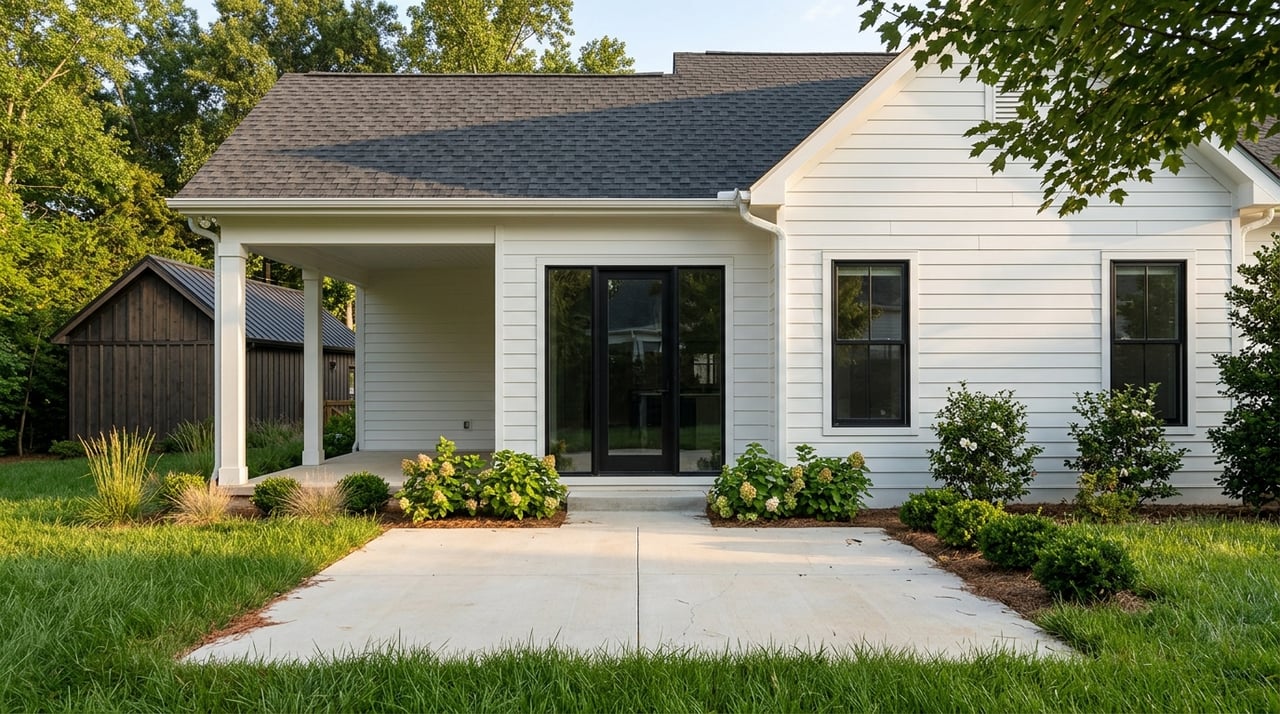
Planning Your Next Move As A Benson Homeowner
Rebekah Edens June 25, 2026
Rebekah Edens June 25, 2026
Wondering whether now is the right time to make a move from your Benson home? If you are thinking about upsizing, downsizing, relocating for work, or simply looking for a better fit, often the biggest challenge is not if you should move, but how to plan it well. With the right prep, you can make smarter timing, pricing, and financial decisions before your home ever hits the market. Let’s dive in.
Benson homeowners are planning moves in a market that is growing, but not racing ahead on momentum alone. Johnston County’s population was estimated at 256,448 in 2025, up 18.7% from 2020, which points to steady growth across this commuter-friendly part of the county.
That matters because Benson sits at the I-40 and I-95 crossroads, with access to both the Triangle and Fayetteville corridors. For many buyers, commute convenience and home value go hand in hand, especially in a county where the average commute time is 32.2 minutes.
Recent pricing data also shows why strategy matters. One May 2026 market snapshot reported a median sale price of $311,000 and an average of 63 days to sell, while another reported a median sold price of $365,000, a median listing price of $404,990, and 41 days on market. Even with different methodologies, both point to the same takeaway: pricing and presentation matter in Benson.
Before you decide whether to sell first or buy first, estimate what you may actually walk away with at closing. A sale price alone does not tell you how much cash you will have available for your next move.
A simple net proceeds estimate usually includes:
In North Carolina, the conveyance tax is $1 per $500 or fractional part of the value conveyed, and the transferor pays it before recording. That cost may not seem large at first glance, but it still belongs in your planning.
If you are also buying again right away, your net proceeds estimate helps shape your next-home budget. It can also help you decide whether you need more savings on hand for overlap costs, repairs, or temporary housing.
Property taxes are another piece of move planning that homeowners sometimes overlook. In Johnston County, property tax is calculated by multiplying assessed value by the combined tax rate, and annual rates are set in June.
As of the most recent adopted budgets in the research, Johnston County reduced its rate to $0.51 per $100 for FY 2026-27 and kept the county fire rate at $0.115 per $100. The Town of Benson’s FY 2025-26 adopted ad valorem rate is $0.61 per $100.
Because tax rates can vary by fiscal year and district, it is smart to verify what applies to your property on your actual closing date. If your home falls in a special fire or service district, that can affect the final numbers too.
In North Carolina, residential closings are typically attorney-led. That means a licensed North Carolina attorney usually handles title work, document preparation, recording, and related closing functions.
This matters when you plan your move because attorney timelines, title review, and final paperwork are built into the process. If you are trying to line up a sale and purchase close together, every deadline matters.
Sellers in most one-to-four-unit residential transactions also must furnish the Residential Property and Owners’ Association Disclosure Statement, unless a narrow statutory exception applies. If you are preparing to list, gathering this information early can help avoid delays later.
A well-prepared home usually has a better chance of attracting serious buyers than one that relies on market growth alone. In Benson’s balanced market conditions, condition and clean presentation can make a real difference.
Start with the items that can affect buyer confidence during due diligence. Known issues should be addressed when possible or clearly documented before your home goes active.
North Carolina guidance makes disclosure especially important. Sellers typically must furnish the disclosure statement, and some issues such as structural defects, radon, synthetic stucco, and bacteria or toxins in well water still need to be disclosed when known.
Before listing, it helps to review:
You do not need to renovate everything. In many cases, a cleaner, better-documented, properly priced home performs better than a home with rushed upgrades that create new questions.
If you are thinking about last-minute work before listing, be careful. In Benson, the Planning and Zoning office handles residential zoning permits for additions, renovations, fences, pools, and similar work, while Johnston County handles building inspections for the town.
That means permit status can come up if a buyer asks questions during inspection or if an appraiser notes improvements. If work was done recently, make sure you understand whether permits were needed and whether records are complete.
There is no one-size-fits-all answer here. The best path depends on your equity, your comfort with timing risk, and how easily you can qualify for your next home while still owning your current one.
Selling first can give you a clearer budget and reduce financial strain. Buying first may help you avoid a temporary move, but it can also increase pressure if your current home has not sold yet.
For many Benson homeowners, this decision comes down to three questions:
If your next move includes buying another home, lender readiness should start early. Pre-approval is not just for first-time buyers. It matters for current homeowners too, especially if you expect to write an offer while your current home is under contract.
The CFPB recommends getting pre-approval letters and comparing official Loan Estimates from at least three lenders. Sellers often want to see pre-approval before accepting an offer, so having financing lined up can make your next move more competitive.
This step is especially important if your move involves a job relocation, a military move, or a tight timeline. Knowing your financing range early helps you plan with more confidence.
Back-to-back closings can work, but they need breathing room. Inspections, appraisals, financing conditions, attorney review, and written extensions can all affect timing.
North Carolina’s due diligence process is one of the biggest factors to understand. The due diligence fee is negotiated, paid to the seller by the effective date, and is generally non-refundable if the buyer terminates during the due diligence period, except in limited breach situations.
Because of that structure, inspections should happen early enough in the due diligence window for repair requests to be answered before the period ends. If a closing date or due diligence period needs to change, the update should be written into the contract.
If you are trying to sell and buy in the same move, your timeline should account for:
A little extra cushion can reduce a lot of stress. The more tightly your transactions are stacked, the more important communication becomes.
Move planning is not only about contracts and numbers. Small local details can make the final week smoother.
In Benson, the town’s utilities office handles service setup. Waste collection is on Wednesday, with alternating recycling and yard waste using town-issued containers.
Those details can affect final utility readings, possession timing, and how clean your home looks at the very end. If you are staying in the area, setting up your next utility account early can also help prevent last-minute headaches.
The smoothest moves usually start earlier than you think. Instead of waiting until you are ready to list, begin by mapping the full picture: market timing, likely net proceeds, repairs, disclosures, financing, and your ideal closing window.
For Benson homeowners, that planning matters because this is a market where buyers are paying attention to value, condition, and timing. A thoughtful plan can help you protect your equity, reduce surprises, and move with more confidence.
If you are considering your next move in Benson, working with a local agent who understands timing, pricing, negotiation, and relocation logistics can make the process far less stressful. When you are ready to build your plan, connect with Rebekah Edens.



Let Rebekah Edens guide you through buying, selling or renting a home in North Carolina. View active listings, research past transactions, and schedule showings with me.