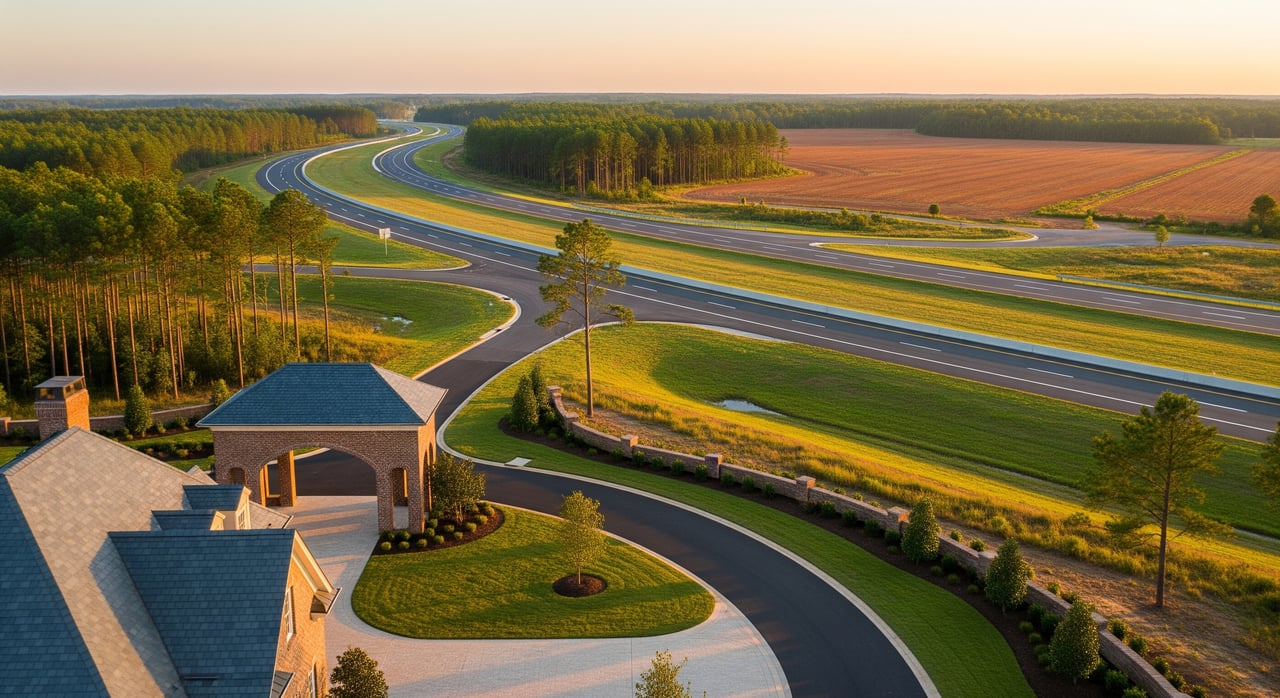
Updated I‑295 Routes for the Parkton–Fort Bragg Commute
Rebekah Edens November 6, 2025
Rebekah Edens November 6, 2025
If you’re eyeing the new construction in McRainey Farm for your next home but worry about the daily drive to Fort Bragg, you’re not alone. Commute time can make or break your PCS plan. The good news is that recent I‑295 connections between I‑95 and the All American corridor are designed to simplify your route and reduce stress. In this guide, you’ll learn your best route options, how to plan realistic travel times, what to know about gate access, and a practical checklist to test before you commit to a home. Let’s dive in.
I‑95 is the main north–south corridor near Parkton, but it can funnel you into local streets as you approach Fayetteville. I‑295 helps bridge that gap. Built as a higher-speed connector, I‑295 links I‑95 to Fayetteville and the All American corridor, which feeds directly into Fort Bragg.
By pairing I‑95 with I‑295 and the All American corridor, you usually face fewer traffic signals and more predictable travel than using surface streets alone. For many military families, that consistency is the biggest win.
Most days, your most direct path will start on I‑95 from Parkton, then transition onto I‑295 to reach the All American corridor and your chosen base gate. This pairing was designed to move commuters efficiently and reduce detours through downtown Fayetteville, especially during peak hours.
If an incident or construction slows the interstate, local routes like US 301 or other state roads can provide a workable backup. These roads are slower but can keep you moving when the interstate stalls. It pays to practice one or two surface-street alternates so you have options.
Some days it makes sense to exit I‑95 at a closer Fayetteville interchange and finish on regional arterials before joining the All American corridor. This is especially helpful if gate backups are reported or a ramp closure affects your usual transition to I‑295.
Over the past several years, new I‑295 segments and interchanges opened in stages, creating more direct links between I‑95 and routes that feed the All American corridor. The result is better connectivity for Fort Bragg commuters and less reliance on downtown surface streets.
Because work is phased, always verify what is fully open and how it is signed. Some segments can be built to interstate standards yet still display “Future I‑295” signage until officially designated. Check North Carolina Department of Transportation updates and local planning resources for current maps, openings, and any ongoing interchange work. The Fort Bragg garrison site is your authority on recommended access routes inside and around the installation.
Expect the heaviest traffic on weekday mornings from about 6:00 to 9:00 and afternoons from about 4:00 to 6:30. Gate lines are part of that picture, with the busiest inbound flow in the morning and outbound in the afternoon. Training cycles, unit moves, and local events can temporarily increase congestion.
Run your route at several morning departure times to learn how the clock changes your commute. Check travel at 6:00, 6:30, and 7:00 to see how it shifts, and repeat the same on a couple of weekdays. Do the same for your return window. Always map to the exact gate you will use, not just “Fort Bragg,” because times vary by gate location.
Have at least two backup routes ready: one that stays on interstates as long as possible and another that uses US or state routes to skirt incidents. On days with I‑95 slowdowns, you will be glad you practiced a secondary path.
Fort Bragg uses layered security and specific credential systems. Gate traffic patterns and requirements can affect which route and gate work best for you.
Active duty, dependents, and DoD civilian employees typically present a military ID and may be registered in DBIDS or a similar system. Visitors and contractors usually need sponsored passes and are subject to screening. Some gates or parking areas may have added rules, so confirm details with the garrison before arrival.
Choosing the right gate depends on your on-base duty location, shift time, and where you live. Ask which gate commuters from your Parkton-area neighborhood typically use and how long processing takes during your target arrival window. Some gates handle inbound morning traffic more efficiently than others, and rules can change for training or events.
With I‑295 creating a faster bridge between I‑95 and the All American corridor, many Parkton commuters see more reliable mornings and smoother returns. Your experience will still depend on departure time, gate choice, and incident conditions, but a little planning goes a long way. If Parkton fits your budget and lifestyle, the updated connections make it a practical option for Fort Bragg employees.
Ready to test-drive the route and tour homes that match your commute and budget? Connect with Rebekah to Book an Appointment.
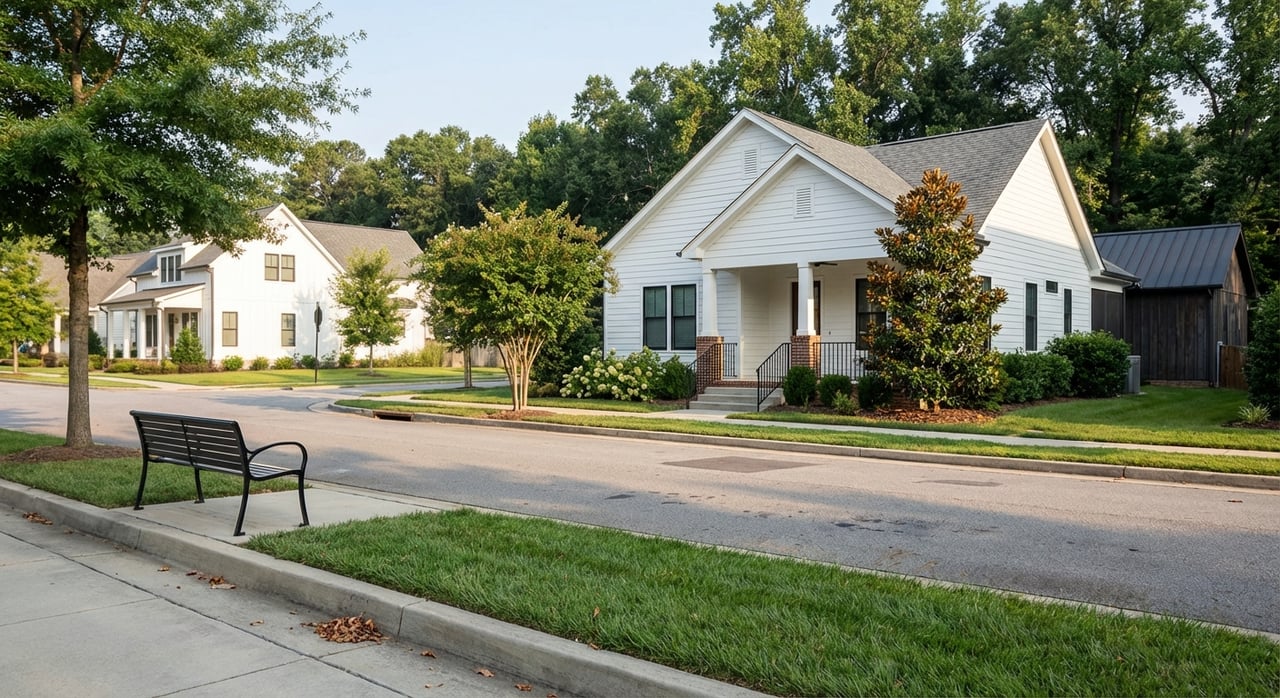
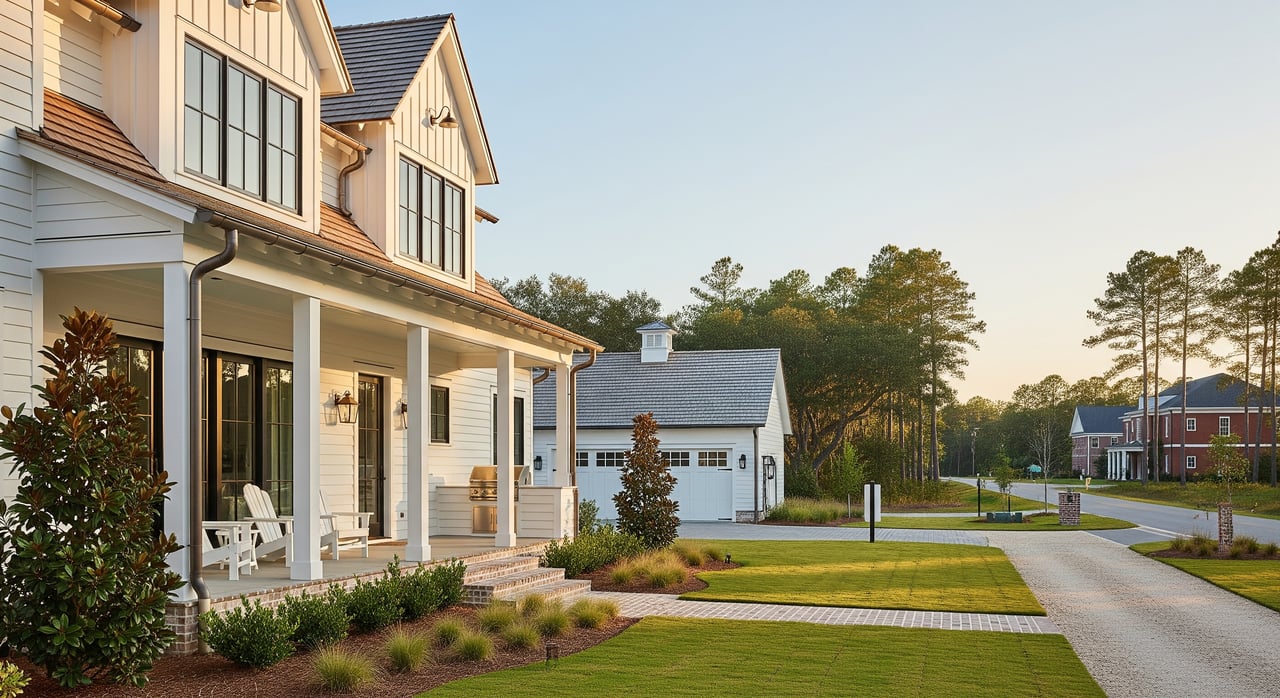
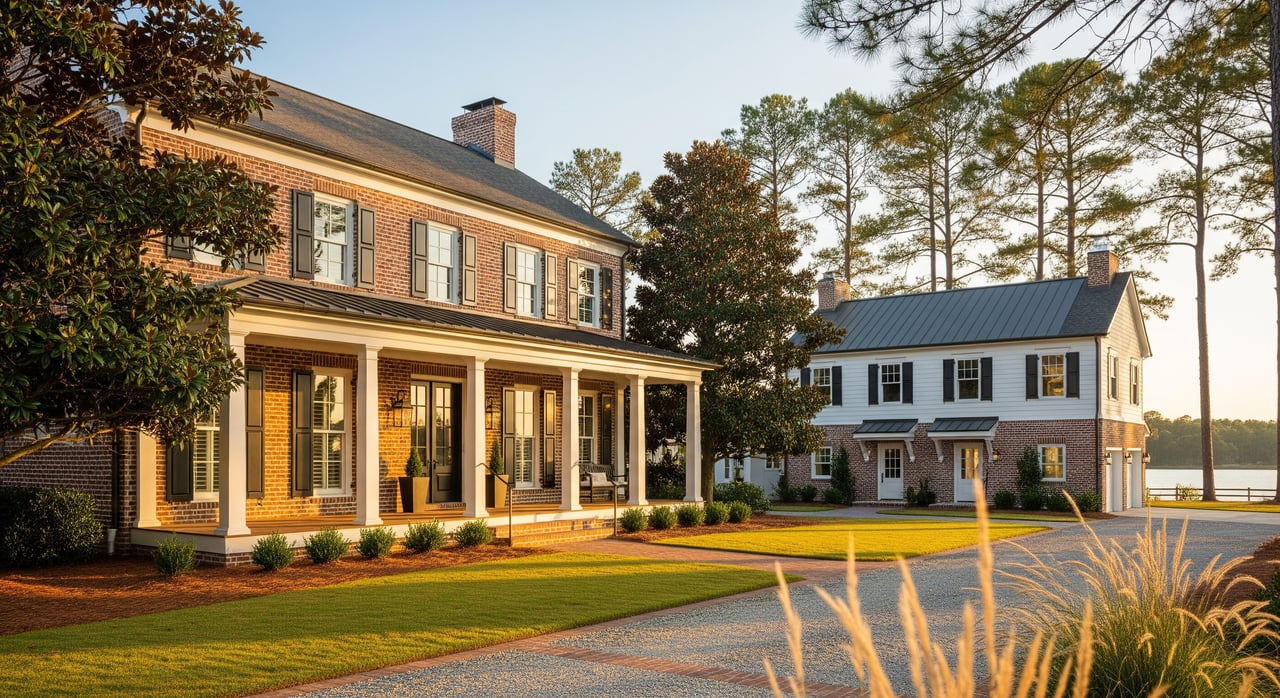
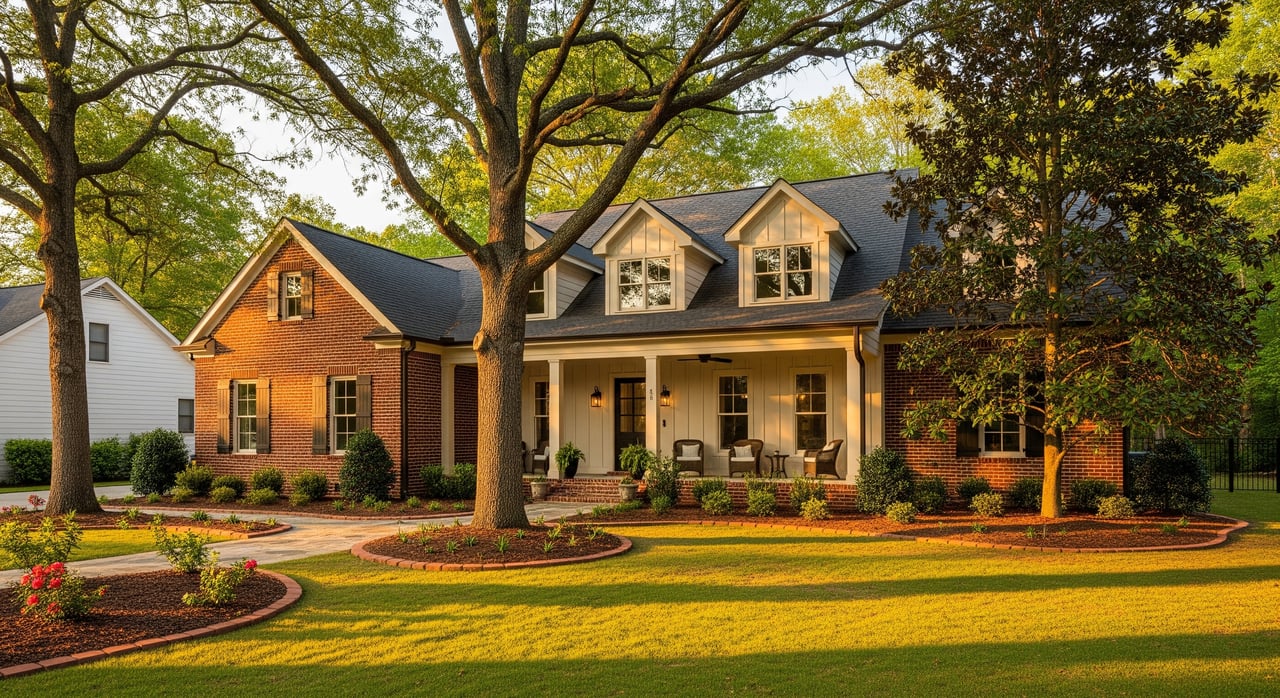

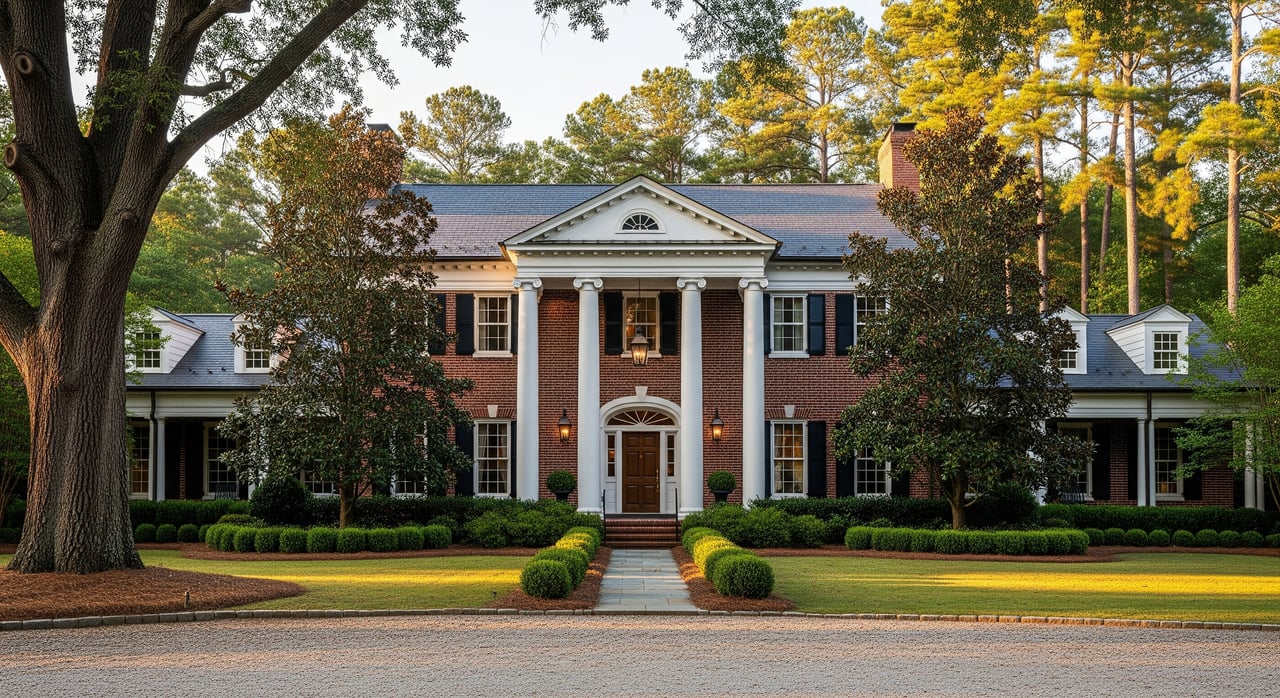
New homes in McRainey Farm are a great choice for off base living!
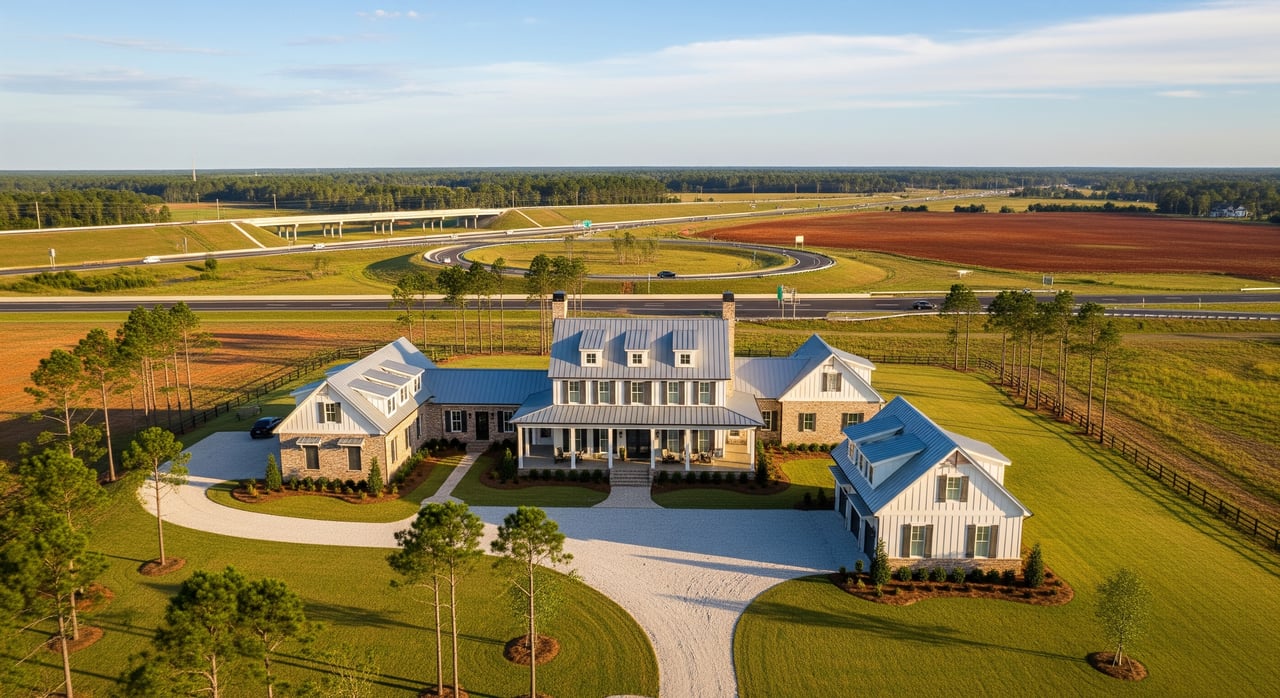
Let Rebekah Edens guide you through buying, selling or renting a home in North Carolina. View active listings, research past transactions, and schedule showings with me.