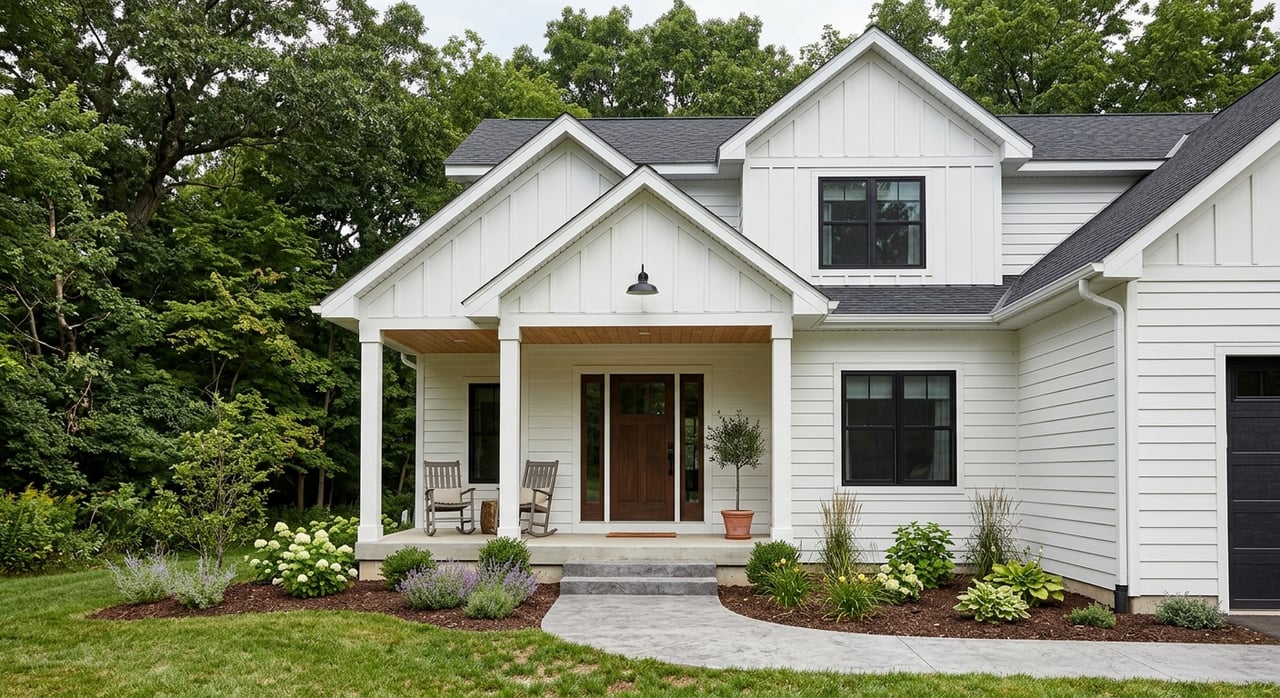
Hope Mills Neighborhoods Guide for Easier Daily Routines
Rebekah Edens May 21, 2026
Rebekah Edens May 21, 2026
If your day feels easier when errands, park time, and your main drive route all fit together, where you live in Hope Mills matters more than you might think. Some parts of town keep you close to the lake and public spaces, while others make commuting or spreading out a little easier. This guide will help you think through the main Hope Mills pockets, the tradeoffs of each one, and how to choose a spot that fits your everyday routine. Let’s dive in.
Hope Mills is shaped by a few key corridors rather than one single compact retail center. Cumberland County’s current Hope Mills Area Land Use Plan draft identifies I-95 and I-295 as major regional connectors, with roads like Camden Road, Hope Mills Road, Rockfish Road, Cumberland Road, Golfview Road, Legion Road, Stoney Point Road, Parkton Road, and Tom Starling Road helping residents move through town.
That matters because your daily routine in Hope Mills often depends less on a neighborhood label and more on which roads you use most. Commercial activity is concentrated along Main Street, Hope Mills Road, Camden Road, and Rockfish Road, so many everyday stops are tied to those corridors.
Hope Mills has a few clear lifestyle patterns. Some pockets feel central and park-focused, some are built around practical access to roads and services, and others offer a quieter, more spread-out pace.
Instead of looking for a single “best” area, it helps to think in terms of trade offs. If you want shorter trips to recreation and town events, one part of Hope Mills may fit better. If commuting is your top priority, another pocket may make more sense.
The historic core around Main Street, Rockfish Road, Lakeview Road, and Trade Street puts you close to some of Hope Mills’ most recognizable public spaces. Hope Mills Lake Park sits in the historic district and is bordered by North Main Street and Lakeview Road, while Heritage Park on Rockfish Road adds interpretive signage tied to the town’s history, the mill, and the restored flume.
This area can be a strong fit if you want your routine to include quick access to the lake, public gathering spaces, and town events. Hope Mills Lake Park is a centerpiece of town and covers more than 73 acres including the lake, which is regulated as a no-wake lake with permits required for boats.
The same central location that makes this pocket convenient can also mean more traffic pressure. The county plan specifically associates Main Street and Rockfish Road with traffic and walkability tension, so convenience may come with a busier feel on key routes.
If you like being in the middle of activity, that may not be a downside. But if you want a calmer street pattern for everyday driving, you may want to compare this area with other parts of Hope Mills.
The Golfview Road pocket is one of the easiest places in Hope Mills to build a simple, close-to-home routine. The Hope Mills Community Library is at 3411 Golfview Road, Golfview Greenway at 3635 Golfview Road offers a 1.6-mile walking trail, and Ed Herring Park at 6115 Lexington Drive adds a neighborhood-scale playground and picnic spot.
For many buyers, this combination makes day-to-day life feel more manageable. If you want to keep walks, library visits, and outdoor time close together, this area offers a practical setup.
Hope Mills parks are a big part of local life, and this pocket connects well with that. Across town, the parks system includes Municipal Park, Hope Mills Lake Park, Golfview Greenway, Heritage Park, Ed Herring Park, and the Recreation Center.
Municipal Park at 5766 Rockfish Road sits in the heart of Hope Mills and includes ballfields, the Reid’s Journey inclusive playground, a splash pad, tennis courts, a dog park, walking trails, picnic shelters, and a skate park. If your weekly rhythm includes outdoor activities, this side of town can make that easier to maintain.
If your routine depends on getting in and out of Hope Mills quickly, the Camden Road and I-95 side of town deserves a close look. The county plan describes the Exit 41 corridor as a primary gateway into the Hope Mills area from I-95 and identifies I-295 as a major beltway connector.
This part of town is especially relevant if you travel often for work, need easier regional access, or want a location that connects well beyond Hope Mills itself. The county plan also notes that residential growth is becoming more prominent along Camden Road and east of Interstate 95.
Compared with the historic core, this area tends to feel more commute-oriented than village-centered. It can be a strong match if you value access and newer-development potential more than a routine built around a central lake or park district.
That does not make it better or worse. It simply suits a different kind of daily pattern, especially for buyers who expect to spend more time driving to regional destinations.
The southern edge of Hope Mills near Gray’s Creek and Parkton Road tends to feel more spread out. The county plan identifies Parkton Road as a southern entry and a residential-growth corridor, and this part of the area may appeal to buyers who want a quieter everyday pace.
If you do not mind driving further for some errands, this tradeoff may be worth it. Many buyers like having a little more breathing room, even if it means less convenience for quick stops.
For households paying attention to school attendance patterns as part of their weekly schedule, this area has its own routing considerations. Cumberland County Schools’ Attendance Area 7 includes Gray’s Creek High, Gray’s Creek Middle, Gray’s Creek Elementary, Alderman Road Elementary, and Gallberry Farm Elementary.
That matters because pickup, drop-off, and activity schedules often shape where everyday life feels easiest. Even if schools are only one part of your decision, they can have a big impact on drive times and traffic flow during the week.
Central Hope Mills can make sense if you want to stay tied into the middle of town’s daily patterns. Cumberland County Schools’ Attendance Area 4 includes South View High, South View Middle, Hope Mills Middle, Baldwin Elementary, C. Wayne Collier Elementary, Elizabeth Cashwell Elementary, and Rockfish Elementary.
For some buyers, that can help narrow the search when they are balancing work routes, activities, and general in-town convenience. This area also keeps you closer to the established road network that connects the town center with major commercial corridors.
Even in central Hope Mills, your experience often comes back to road access. Main Street, Hope Mills Road, Camden Road, and Rockfish Road continue to shape where errands and services feel easiest.
If you are comparing homes in this part of town, pay attention to how quickly you can reach the places you will use most often. In Hope Mills, a few minutes of road difference can change how efficient your whole week feels.
Hope Mills stands out because recreation is part of everyday life, not just an occasional bonus. The town’s parks and amenities include Municipal Park, Hope Mills Lake Park, Golfview Greenway, Heritage Park, Ed Herring Park, and the Recreation Center, which offers an indoor basketball court, fitness room, full kitchen, and multipurpose rooms.
That gives you several ways to think about location. If weekend park time matters most, being close to the lake or Municipal Park may be a big plus. If weekday walks and quick outdoor breaks are more important, the Golfview Greenway pocket may feel more convenient.
The easiest way to narrow your search is to map your real routine, not your ideal one. Think about where you drive most, how often you run errands, whether park access matters during the week, and how much traffic or distance you are comfortable with.
A simple way to compare areas is to ask yourself:
When you answer those questions honestly, the right part of Hope Mills usually becomes much clearer. The goal is not to find the “best” area on paper. It is to find the one that makes your normal Tuesday feel easier.
If you want help comparing neighborhoods, commute patterns, and the day-to-day feel of different parts of Hope Mills, Rebekah Edens can help you narrow down the right fit with local insight and personal guidance.
Let Rebekah Edens guide you through buying, selling or renting a home in North Carolina. View active listings, research past transactions, and schedule showings with me.